
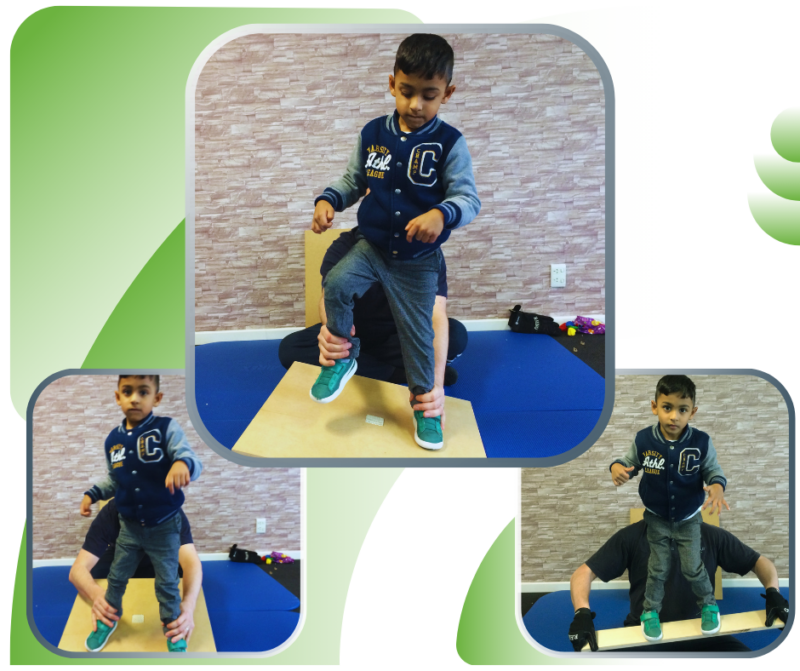
Cuevas Medek Exercises, often referred to as CME, is a hands-on therapy used to support babies and young children who are finding movement more difficult than expected. It was developed by Chilean physical therapist Ramón Cuevas in the 1970s, with a focus on helping children build real, functional movement rather than simply completing exercises.
What makes CME different is how active it is. Instead of guiding a child through movements, the therapist creates situations where the child has to respond on their own. That response is where the real work happens.
Therapy can begin from as early as two months of age and continues as the child develops. While milestones like sitting, standing, and walking are important, CME looks beyond those outcomes. The focus is on building the systems underneath, the things that actually make those milestones possible in the first place.
The Philosophy Behind CME
At its core, Cuevas Medek Exercises is based on a very practical understanding of how children develop.
Even when there are delays or challenges, the nervous system still has the ability to change. The brain and spinal cord are constantly taking in information and adjusting. With the right kind of input, they can reorganise and improve how movement is controlled.
This is often described as the child’s natural recovery potential.
But in reality, that potential does not always unfold on its own. Many children develop ways of moving that help them cope in the short term but limit them in the long run. Over time, these patterns can become the default.
CME steps in at that point. It creates opportunities for the child to move differently, not by forcing it, but by setting up situations where a better response is needed.
That is also why timing matters. When therapy begins early, the nervous system is more open to change. Small adjustments made early can influence how movement develops later on.
Who CME Is For?
CME is used for children who are showing delays or differences in motor development linked to the central nervous system.
This includes children with diagnosed conditions such as:
- Cerebral palsy
- Global developmental delay
- Genetic syndromes like Down syndrome, Rett syndrome, or Angelman syndrome
- Spina bifida
- Seizure disorders, when medically managed
It can also be helpful for children who may not have a diagnosis but are showing early signs that movement is not progressing as expected. This might include:
- Babies born prematurely
- Children with a history of reduced oxygen at birth
- Children who are slower to reach early movement milestones
A diagnosis is not required to begin. What matters more is recognising when something feels off and acting early.
CME is usually introduced from around three months of age and continues until a child is confidently walking. Because the therapy is very hands-on, there are practical considerations like the child’s size and weight, but the principles themselves remain relevant throughout development.
How CME Works in Practice
One of the simplest ways to understand CME is this: the child is not placed into positions. They are encouraged to find them.
During a session, the therapist introduces movement challenges that require the child to respond. These might involve changes in position, shifts in support, or moments where the child needs to regain balance.
At first glance, it can look fast-paced or even unpredictable. But each movement has a purpose. The level of challenge is carefully adjusted so the child is pushed, but not overwhelmed.
Over time, these repeated experiences start to build:
- Better postural control
- Improved balance
- More coordinated movement
- Increased strength
- Greater confidence in moving
Rather than isolating one muscle or one movement, CME works with the whole body. Everything is connected, and the therapy reflects that.
Core Principles of CME Therapy
While every session is adapted to the child, there are a few consistent principles that guide the approach.
Working with gravity: Children are placed in positions where gravity becomes part of the challenge. This might be during supported standing, transitions, or dynamic movements. Learning to respond to gravity is essential for real-world movement.
Distal support: Instead of holding the child close to their centre, support is given further away, often at the legs or feet. This creates a need for the child to engage their own muscles more actively.
Functional movement focus: The goal is not to perfect a position, but to encourage meaningful movement. Sitting, standing, stepping, and transitioning all happen as part of a broader process, not as isolated tasks.
Building new pathways: Through consistent exposure to the right level of challenge, the brain begins to adapt. New patterns start to form, gradually replacing less efficient ones.
What Progress Really Looks Like
One of the first questions families ask is what progress will look like.
The truth is that it rarely looks the way people expect.
Progress does not always show up as a big milestone right away. It often starts with small changes in how a child moves.
Before independent sitting or walking, we might notice:
- More control through the trunk
- Smoother transitions between positions
- Better ability to shift weight
- Quicker reactions when balance is challenged
These changes can seem subtle, but they are significant. They show that the nervous system is starting to organise movement more effectively.
Over time, these small improvements begin to connect. And when they do, larger changes tend to follow.
Strength, Tone, and Movement Quality
A common question from parents is whether CME helps build strength.
It does, but not in the traditional sense.
Strength develops as a result of movement. As children support their body weight, adjust to gravity, and repeat movements in different situations, their muscles naturally become stronger and more responsive.
This leads to improvements in:
- Core stability
- Lower body strength
- Endurance for maintaining positions
At the same time, CME also addresses muscle tone.
For children with stiffness, movement can feel restricted. For those with low tone, maintaining posture can be just as challenging.
Instead of separating stretching and strengthening, CME combines them. As the child moves, muscles are both lengthened and activated at the same time.
This often results in movement that feels more fluid and less effortful over time.
Confidence and Engagement
ONot all progress is physical.
As children start to experience success in movement, something shifts. They begin to take more initiative. They try more, explore more, and engage differently with their surroundings.
Families often notice:
- More independence during play
- Less hesitation when moving
- Increased curiosity
This matters more than it might seem.
Movement is not just about ability. It is about participation. When a child feels capable, they are far more likely to interact with the world around them.
Why Consistency Matters
CME is not something that works in isolation.
Progress builds through repetition and consistency. Regular sessions are important, but what happens outside of therapy matters just as much.
For progress to last, children need opportunities to apply what they are learning in everyday situations.
This is where collaboration becomes key.
Therapists, parents, and caregivers all contribute to the process. When everyone is working toward the same goals, progress tends to be more meaningful and more sustainable.
Supporting Progress at Home
Families often ask what they can do between sessions.
It does not need to be complicated.
Simple changes can make a big difference:
- Encourage active movement instead of doing things for the child
- Allow safe challenges rather than stepping in too quickly
- Create opportunities for climbing, standing, and balancing
- Acknowledge effort, not just success
These small moments, repeated consistently, help reinforce what is happening in therapy.
A Balanced Perspective
CME has shown strong results in clinical settings, but it is important to approach it realistically.
Research is still developing, and much of the current understanding comes from hands-on clinical experience. Because of this, CME is often used alongside other approaches, depending on the child’s needs.
No single method works for every child in the same way. The key is to stay flexible and responsive.
CME is not about pushing a child toward milestones as quickly as possible.
It is about creating the conditions that allow development to happen more effectively.
When the nervous system is challenged in the right way, and consistently over time, it adapts. Those changes may begin quietly, but they build.
And with the right support, they can lead to meaningful, lasting independence.