How We Use Hydrotherapy to Support Learning to Balance and Understand Body Position
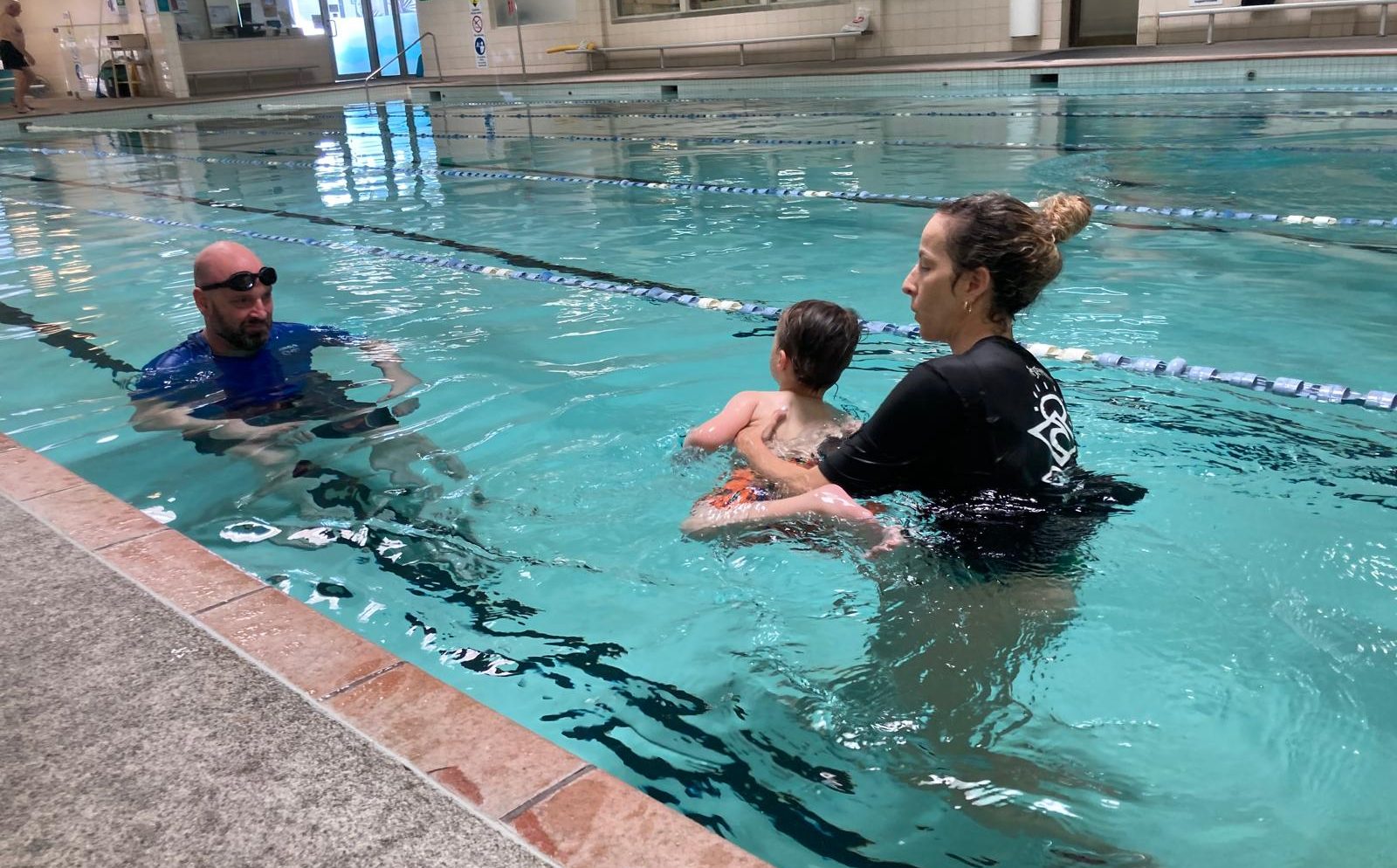
Hydrotherapy with Chad and Marina

As part of modern physiotherapy, hydrotherapy provides structured, evidence-based rehabilitation in water. Buoyancy reduces joint strain, resistance builds strength and hydrostatic pressure supports circulation. This allows individuals to practise stepping, balance and functional movement with less fear of falling. When delivered within intensive physiotherapy programmes, hydrotherapy supports meaningful improvements in mobility, coordination and overall movement confidence.
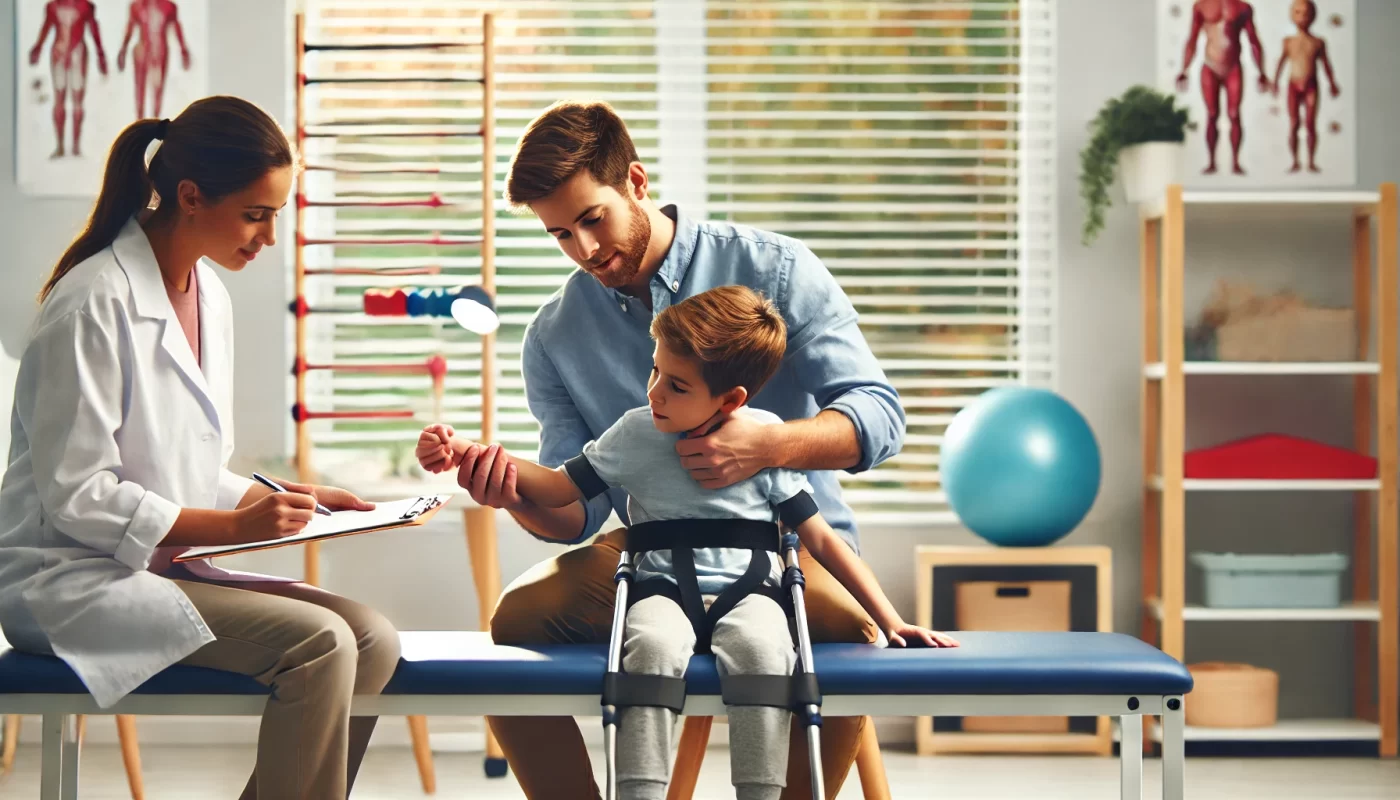
A Day in a CME Therapy Session: What to Expect and How It Helps Your Child

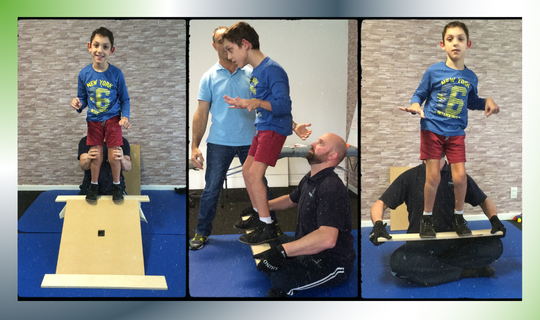
CME in different ways

Parents of children with cerebral palsy, Down syndrome, or developmental delays will find this article a breath of fresh air. It explores Cuevas Medek Exercises (CME), a hands-on therapy technique that uses gravity, repetition, and neural activation to improve movement. This guide walks you through what CME involves, who it’s best suited for, and how it’s helping children reach milestones faster than expected. You’ll read about actual success stories from places like Sydney and Melbourne, giving you a sense of what’s possible with commitment and the right support.

From Passive Sitting to Active Living: Why COGY Is Changing Rehab

Cogy wheelchair in action

For parents and carers seeking innovative ways to support loved ones with cerebral palsy, stroke, or spinal injuries, this article about the COGY wheelchair is a must-read. Unlike standard wheelchairs, COGY engages the legs through a clever pedal system, activating muscles and nerves in a therapeutic cycle. It explains how the COGY aids not only muscle tone and flexibility but also cardiovascular fitness and overall confidence. Better yet, there’s guidance on how to trial one in Australia, ensuring you can make an informed choice.

Gentle Vibration, Big Impact: How Power Plate Supports Kids with Hypotonia or Hypertonia

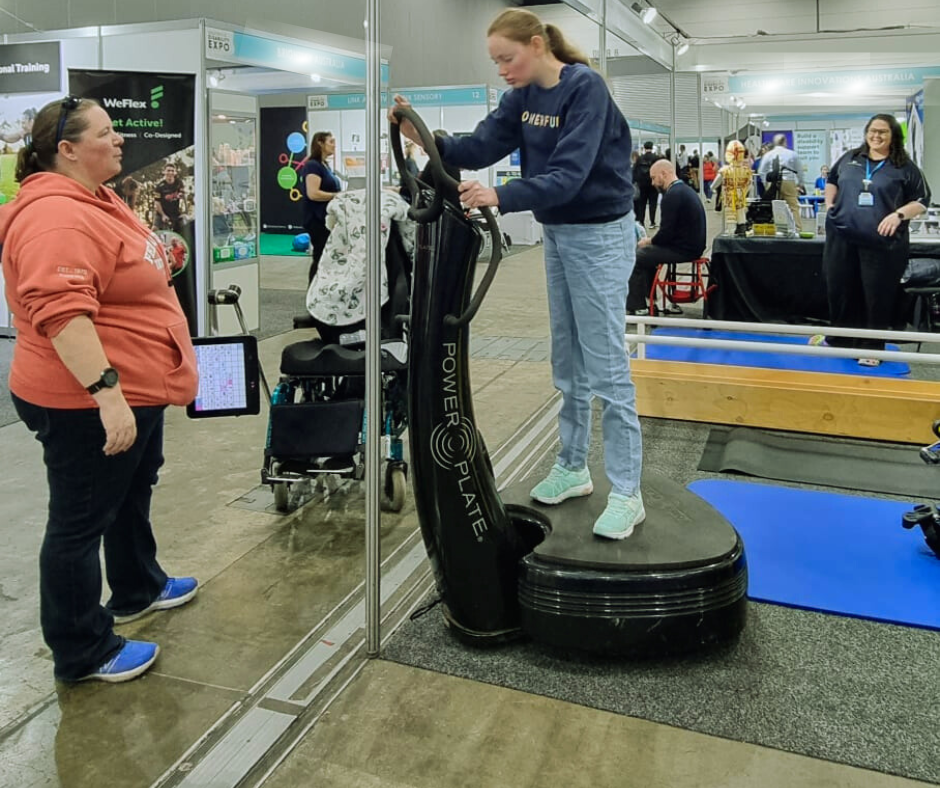
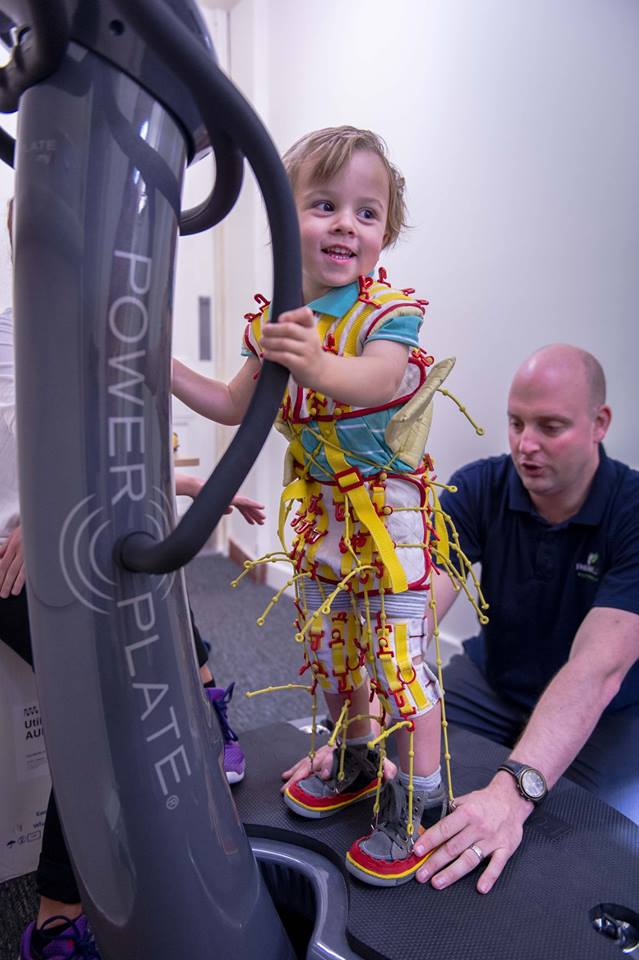
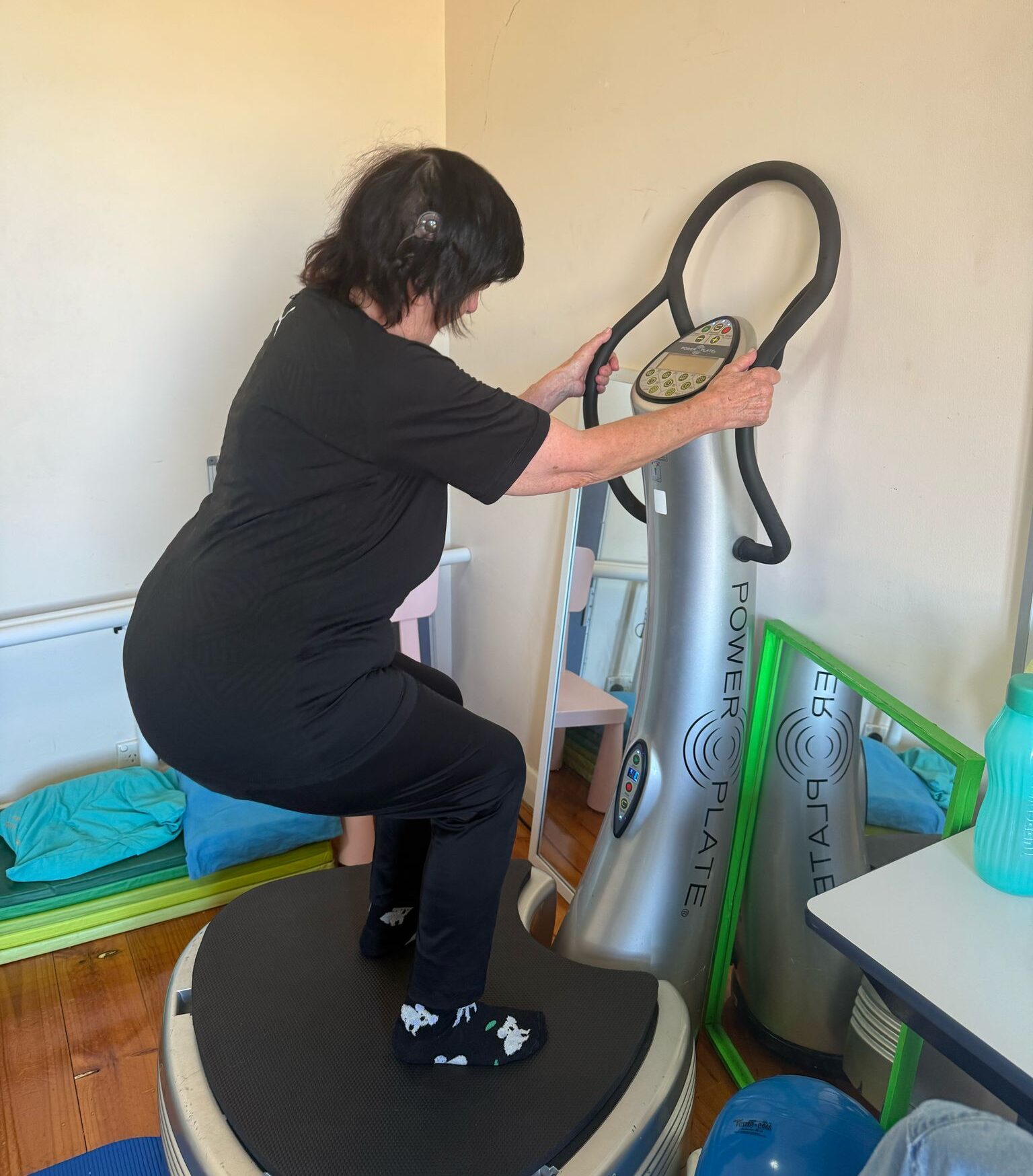
power plate vibration therapy

Parents of children with physical development delays often search far and wide for solutions that truly work. This article presents Power Plate vibration therapy as a research-supported, family-friendly option for kids with hypotonia or hypertonia. It details how the therapy works, explaining how customised vibrations help either activate weak muscles or calm stiff ones.

Understanding Dynamic Movement Therapy: Helping Your Child Reach Their Movement Milestones

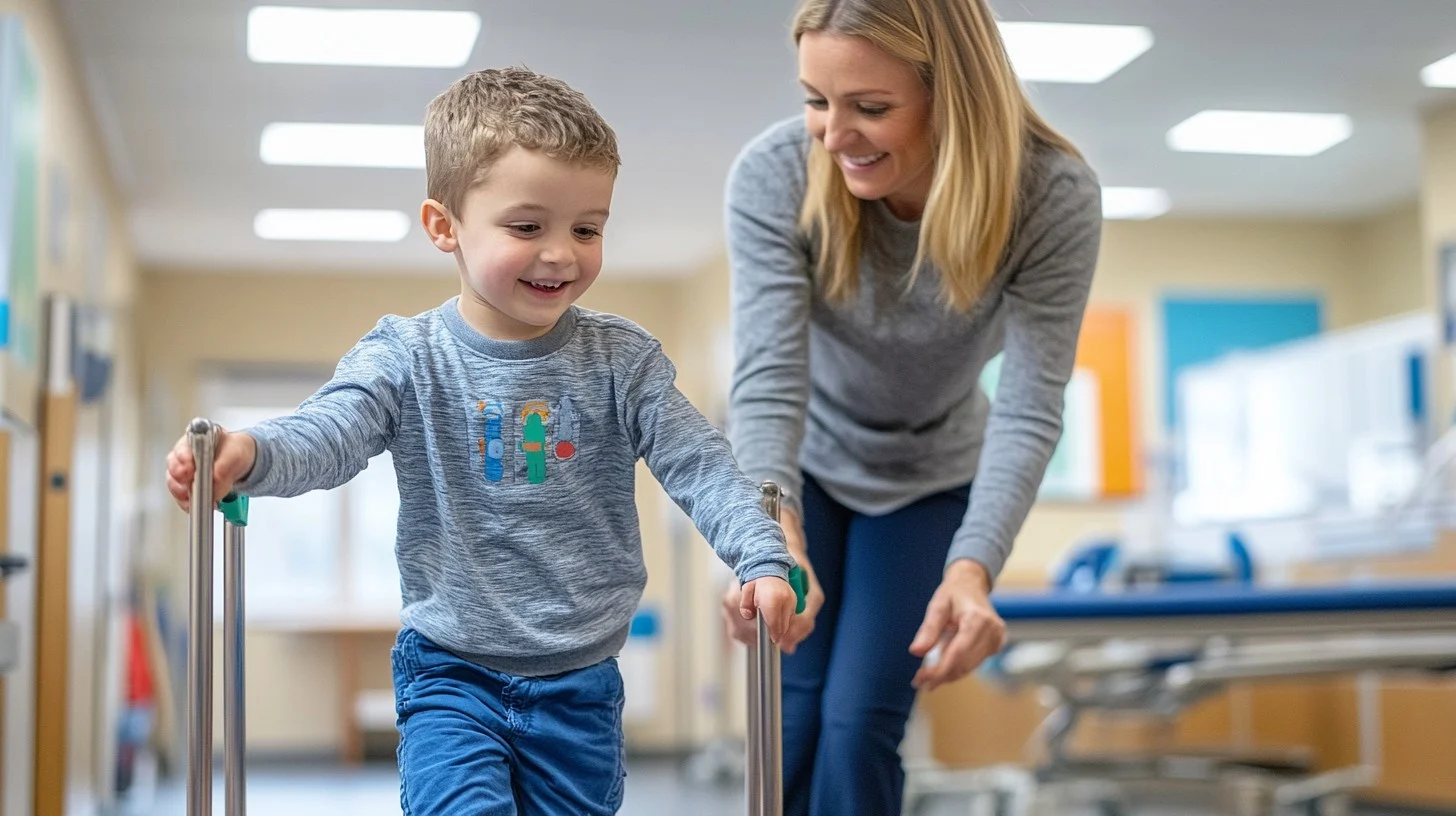
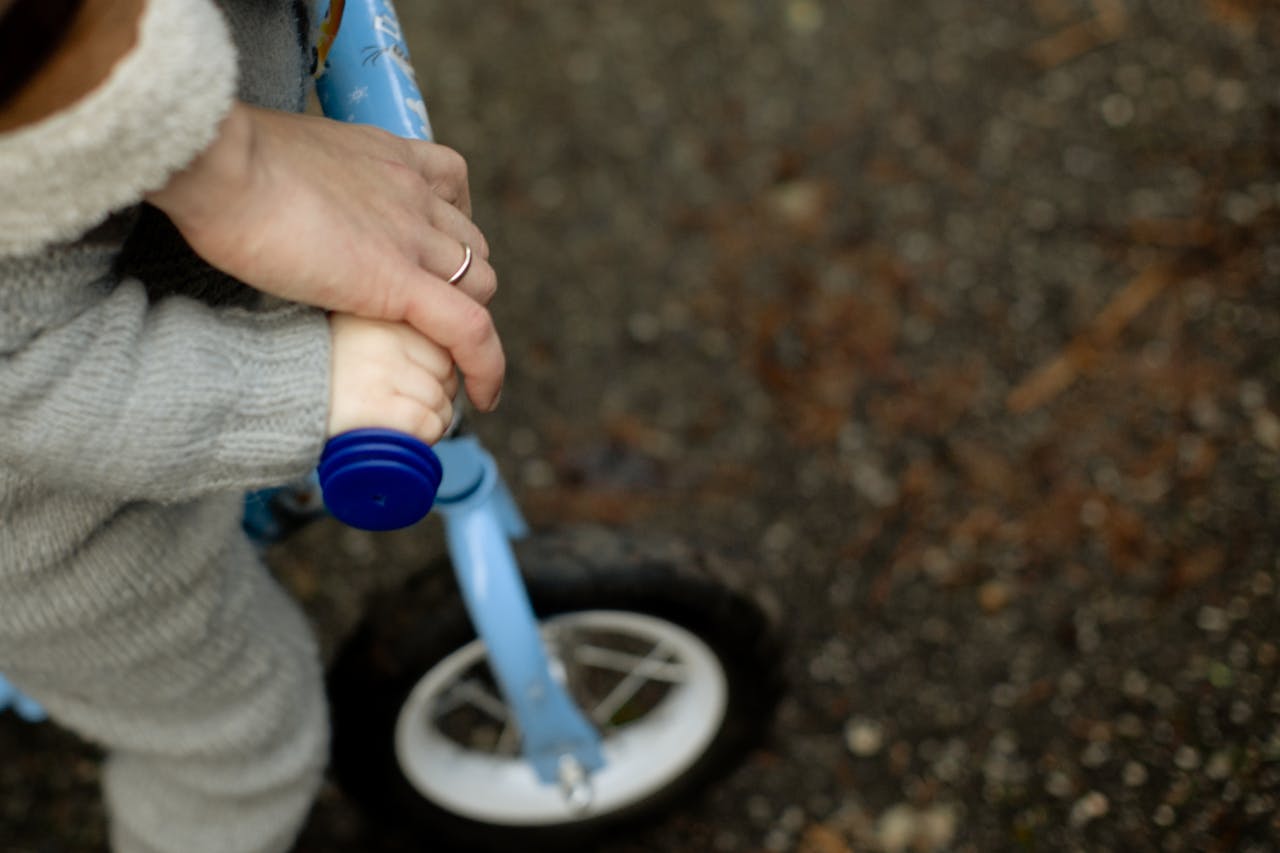
dynamic movement therapy is like teaching children how to ride a bike

Parents of children with developmental delays often seek effective ways to support their child’s journey toward independence. Dynamic Movement Intervention (DMI) is a science-backed approach that combines structured play with targeted exercises to help children overcome mobility challenges. Sessions are personalised to focus on movements your child needs most – whether that’s climbing stairs, standing independently, or safely navigating their home. Families are encouraged to participate, learning practical tips to integrate movement development into everyday moments. DMI doesn’t just build strength and coordination – it fosters resilience and brings families closer as they celebrate each milestone together.