How Autism Masks Coordination and Developmental Delays

Autism can mask coordination and developmental delays. Discover how movement-based and intensive physiotherapy programs support children, teens, and adults at The Timmermans Method.

Autism can mask coordination and developmental delays. Discover how movement-based and intensive physiotherapy programs support children, teens, and adults at The Timmermans Method.
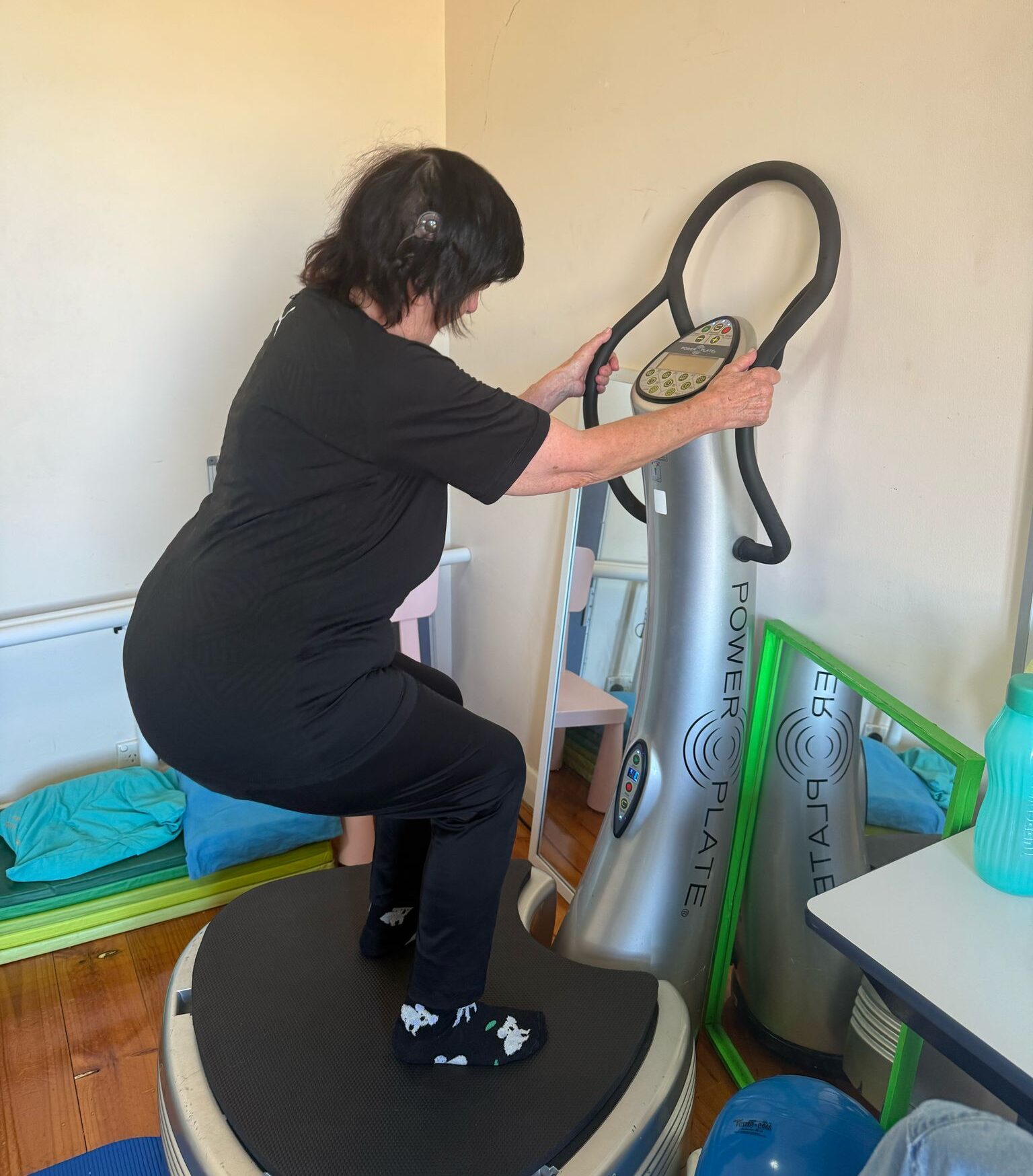
Both high and low muscle tone can make movement difficult.. This article explains how the Power Plate vibration therapy supports muscle activation and regulation for people with hypotonia or hypertonia, and why it is used as part of intensive physiotherapy programs at The Timmermans Method.
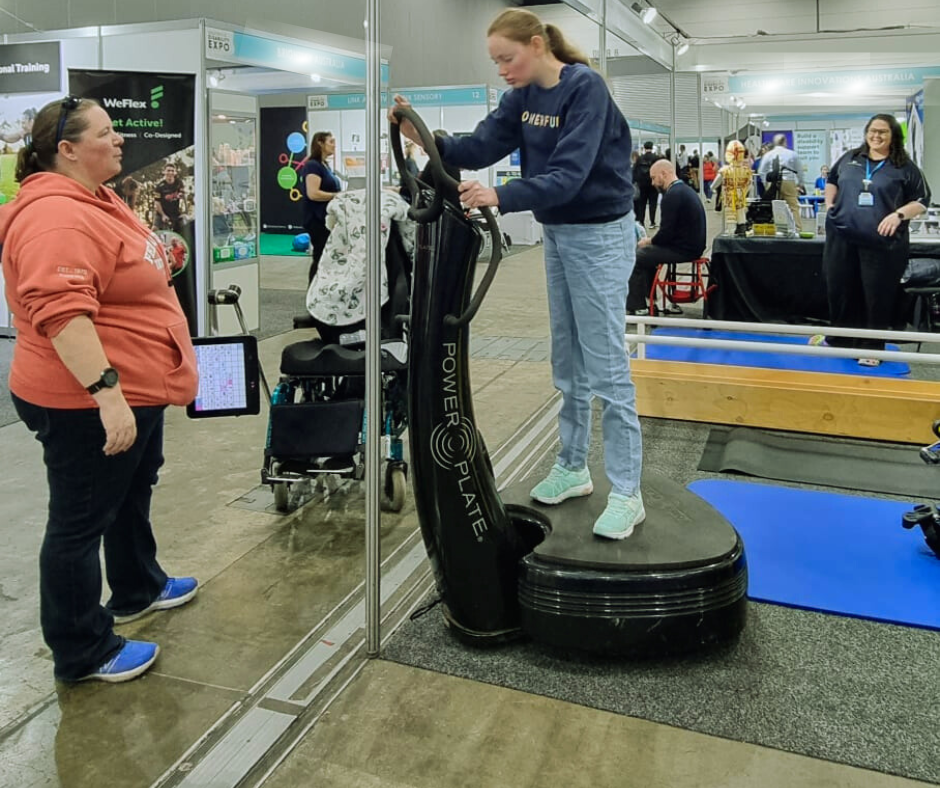
Many people believe therapy only works in childhood. In reality, the brain remains capable of change throughout life. This article explores how movement and function can improve for teens and adults when therapy provides the intensity and structure the brain needs.
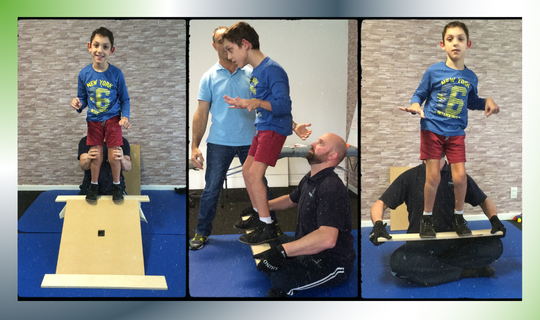
Parents of children with cerebral palsy, Down syndrome, or developmental delays will find this article a breath of fresh air. It explores Cuevas Medek Exercises (CME), a hands-on therapy technique that uses gravity, repetition, and neural activation to improve movement. This guide walks you through what CME involves, who it’s best suited for, and how it’s helping children reach milestones faster than expected. You’ll read about actual success stories from places like Sydney and Melbourne, giving you a sense of what’s possible with commitment and the right support.

For parents and carers seeking innovative ways to support loved ones with cerebral palsy, stroke, or spinal injuries, this article about the COGY wheelchair is a must-read. Unlike standard wheelchairs, COGY engages the legs through a clever pedal system, activating muscles and nerves in a therapeutic cycle. It explains how the COGY aids not only muscle tone and flexibility but also cardiovascular fitness and overall confidence. Better yet, there’s guidance on how to trial one in Australia, ensuring you can make an informed choice.
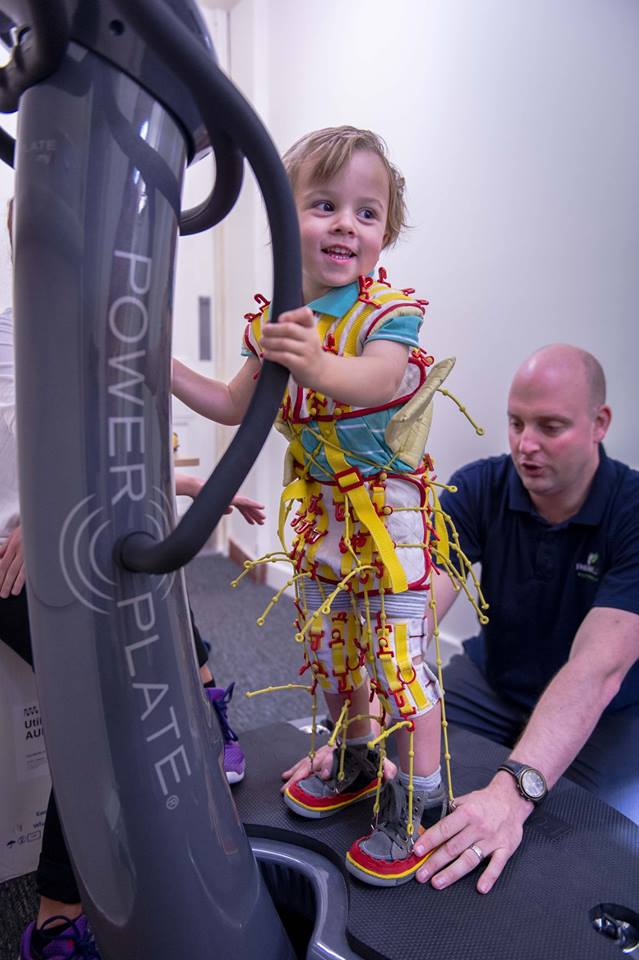
Parents of children with physical development delays often search far and wide for solutions that truly work. This article presents Power Plate vibration therapy as a research-supported, family-friendly option for kids with hypotonia or hypertonia. It details how the therapy works, explaining how customised vibrations help either activate weak muscles or calm stiff ones.

Every parent of a child with developmental needs understands those meaningful moments—when your child accomplishes something new. Paediatric physiotherapy techniques aim to support your child’s development by providing structured opportunities to practice and develop movement skills in an encouraging environment.

Your role in your child’s physiotherapy journey isn’t just supportive—it’s transformative. When parents become active partners in the therapy process, children make faster progress and develop lasting skills. This article explains why your involvement matters so deeply and how you can help create the conditions where breakthrough moments happen more often.